The images in this blogpost, taken this weekend and last, are recognizably Grand Rapids. Yet, they are not strictly representational, but a little bit cubist here and abstract expressionist or impressionist there. Continuing what I’ve been doing for the past month, I made all them using the camera’s multiple exposure function, using Fujifilm’s Astia film style. Then I processed them with a Polaroid-style preset created by Patrick La Roque, a photographer from Montreal whose work I like, that I adapted.
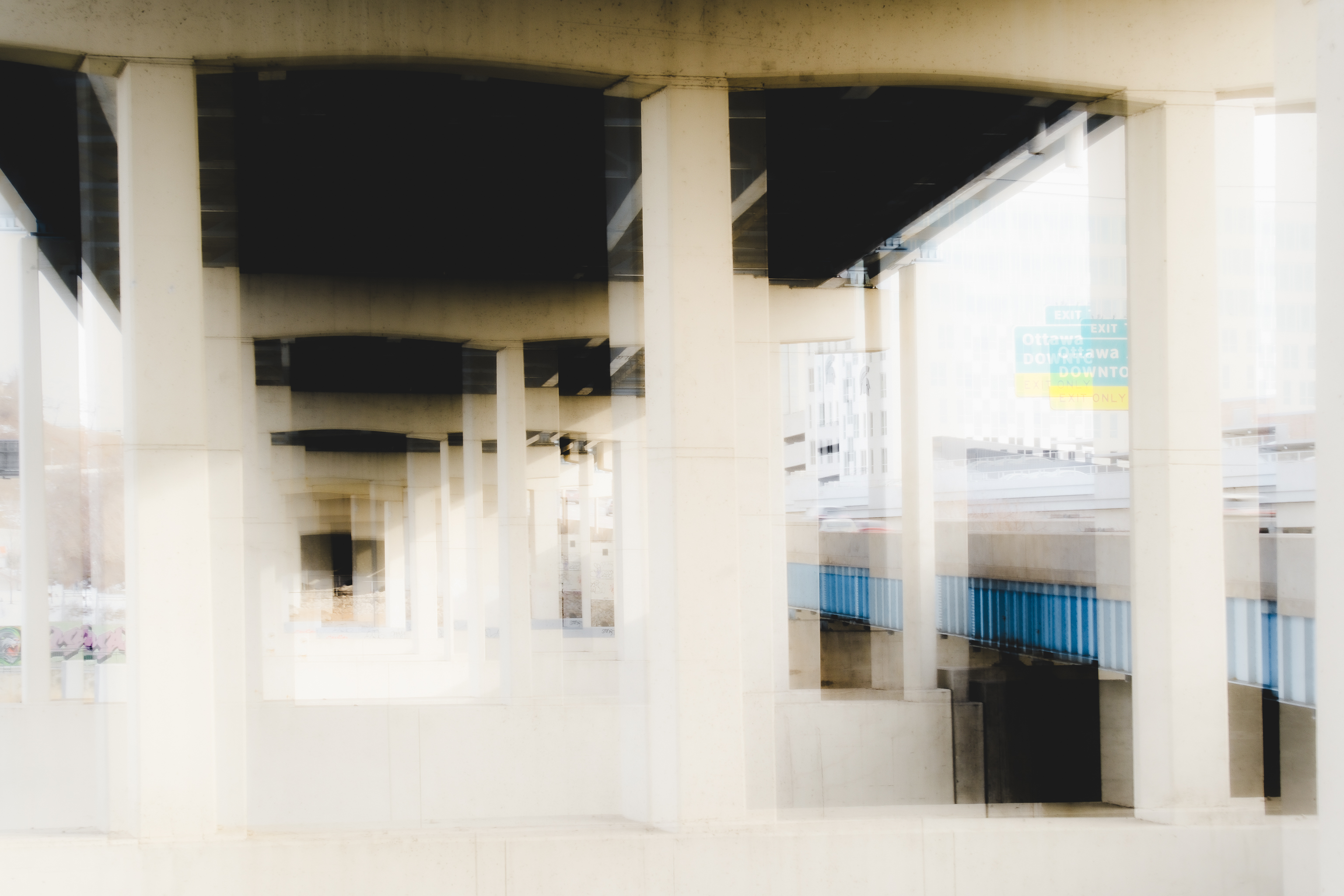
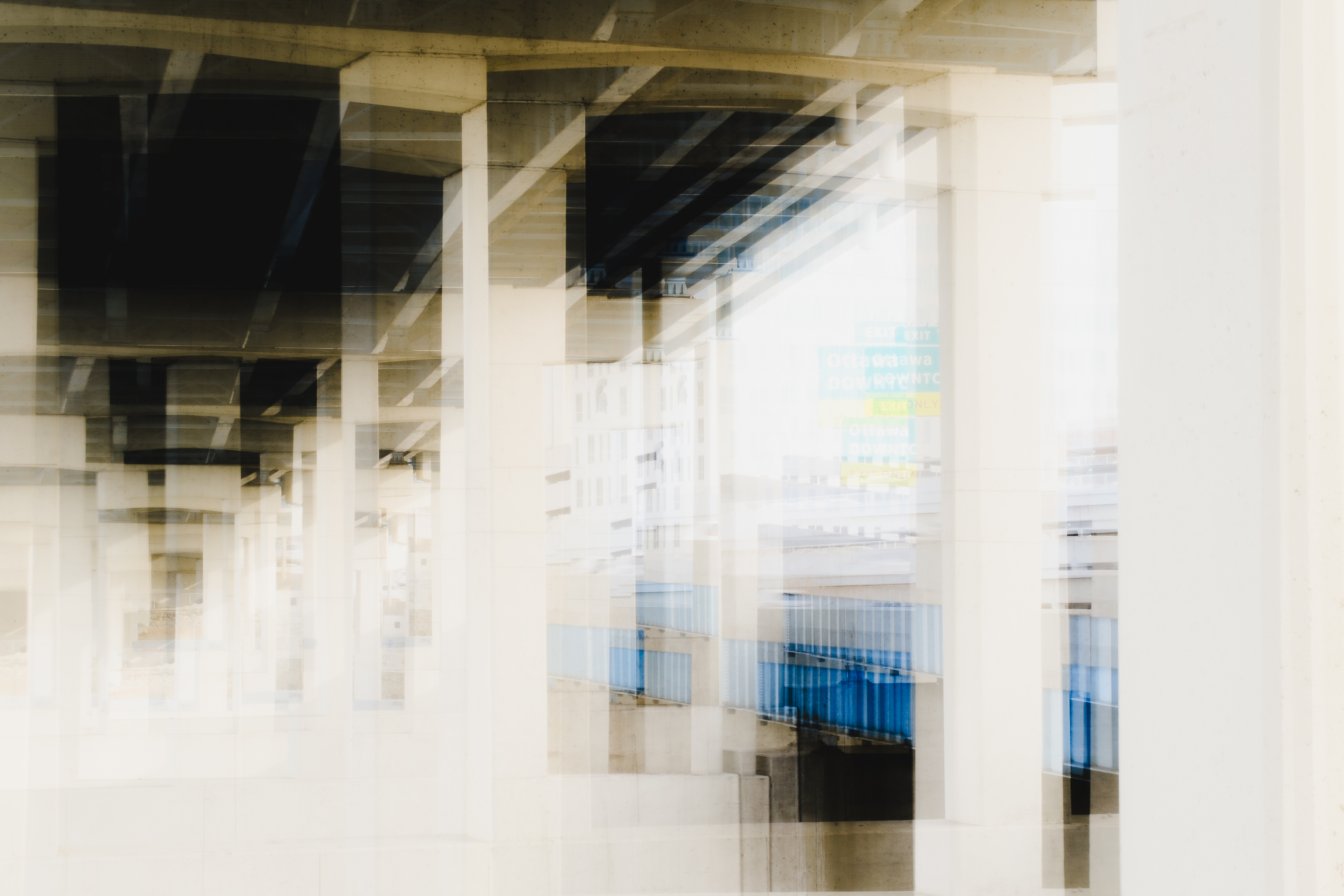
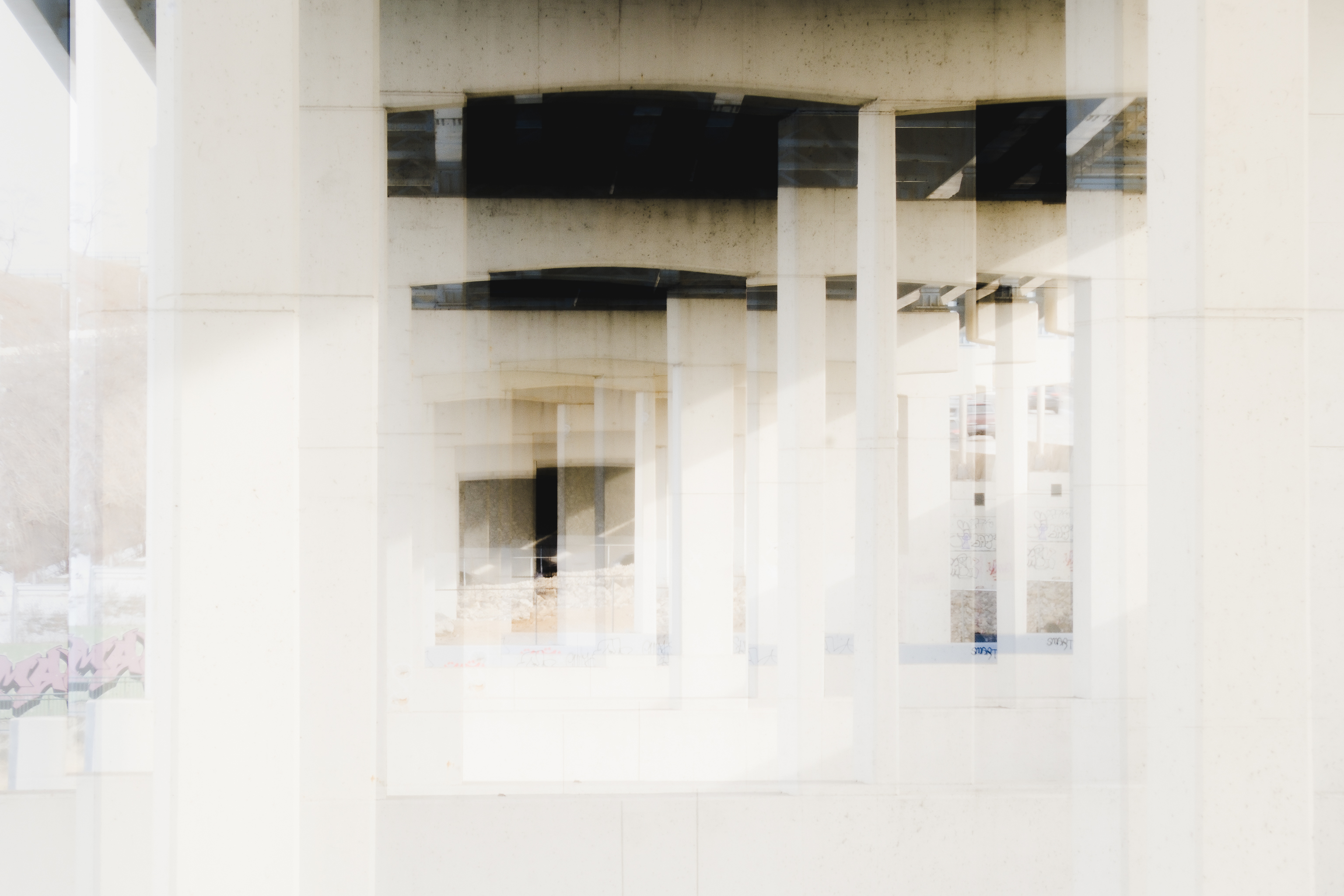
First some that are sort of cubist. I had Picasso in mind as I took them. These were shot from under a bridge over the Grand River, near the Ford Museum. The first has the most context, the last the least.
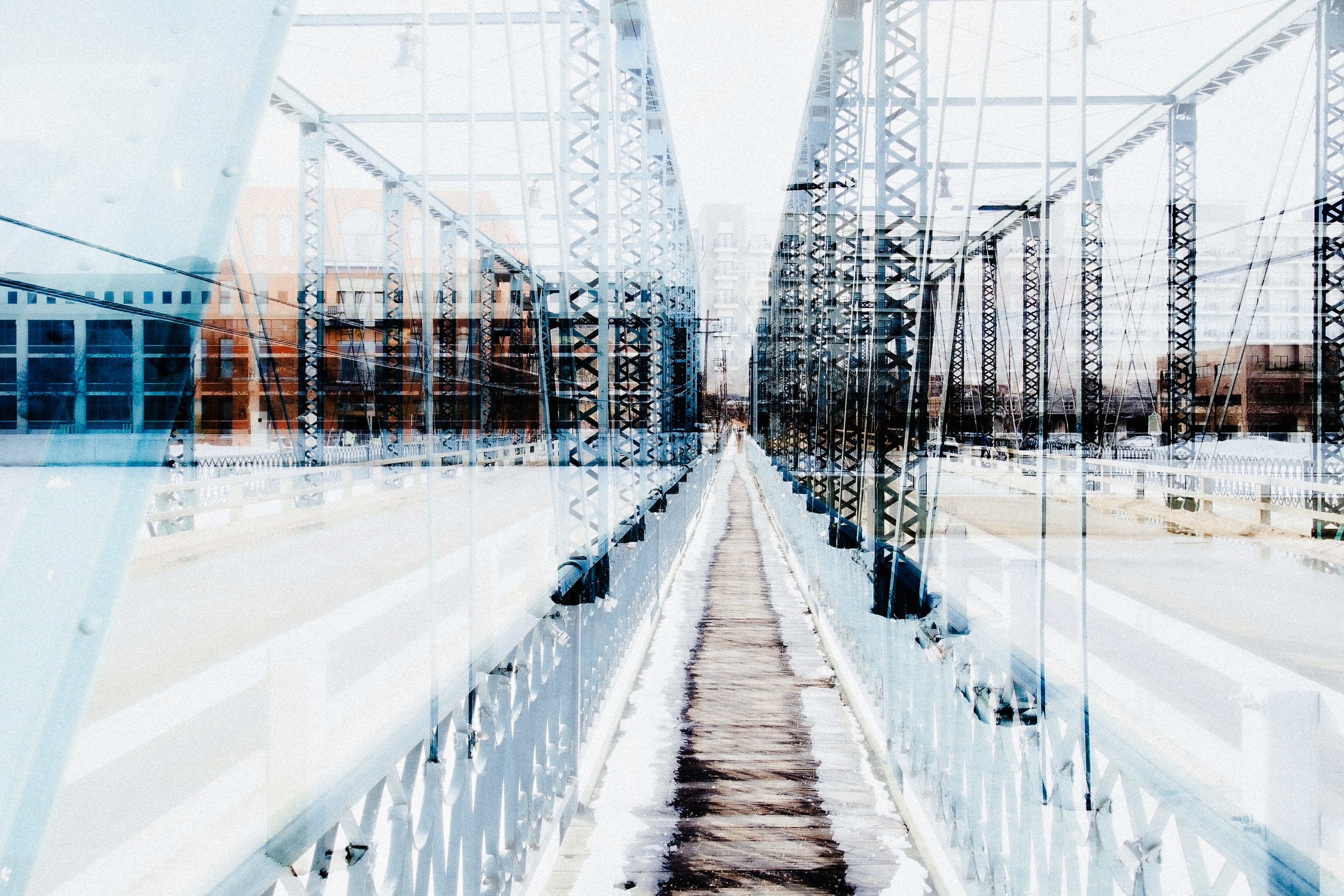
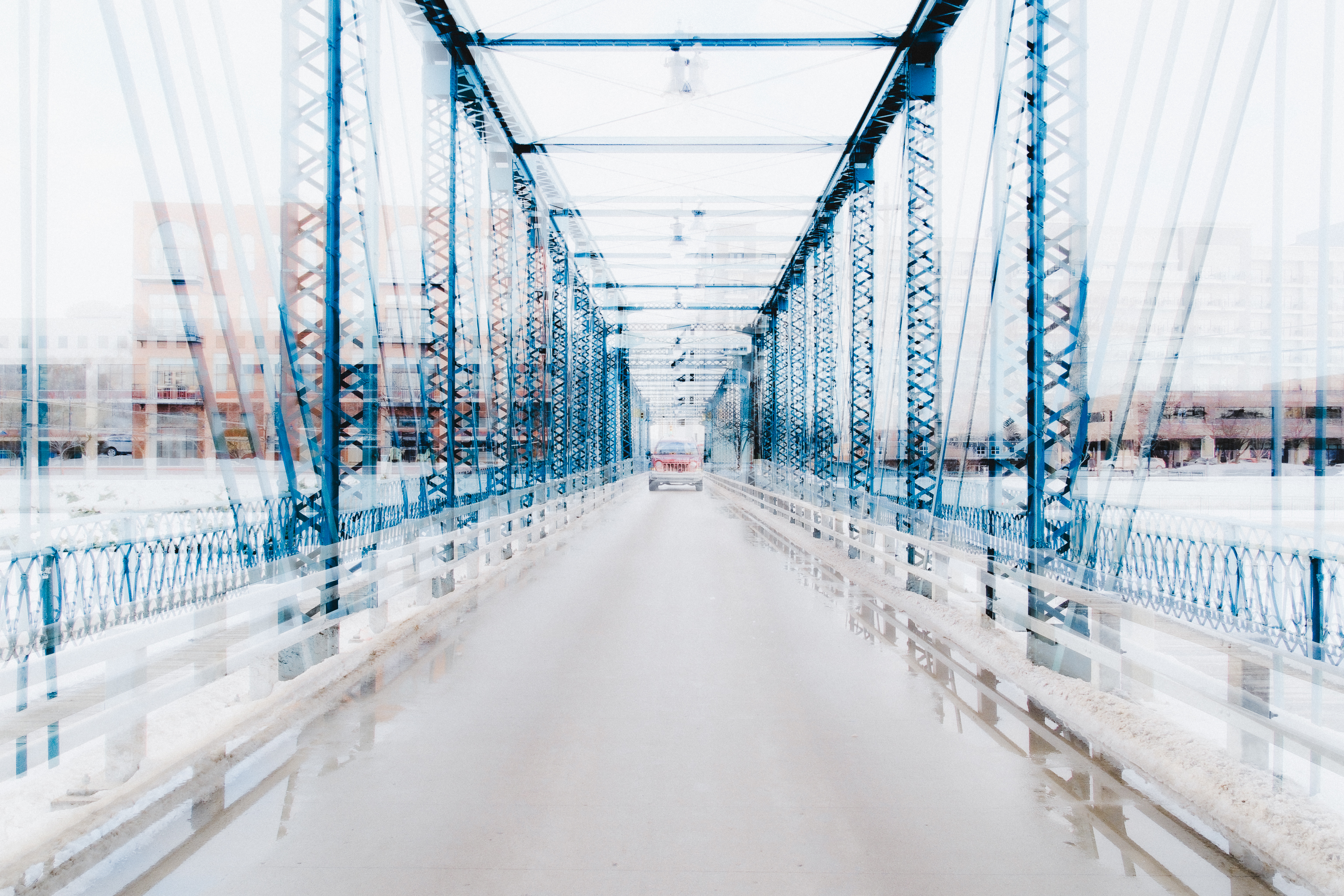
The next three were taken on or near the 6th Street Bridge. The first, made from the West side of the bridge, looks south towards the I-96 bridge and the downtown area. The second, made from the south sidewalk on the bridge, looks both east and west. And the third, similarly, was made on the road part of the bridge, looking east and west, with a vehicle showing up at just the right time.
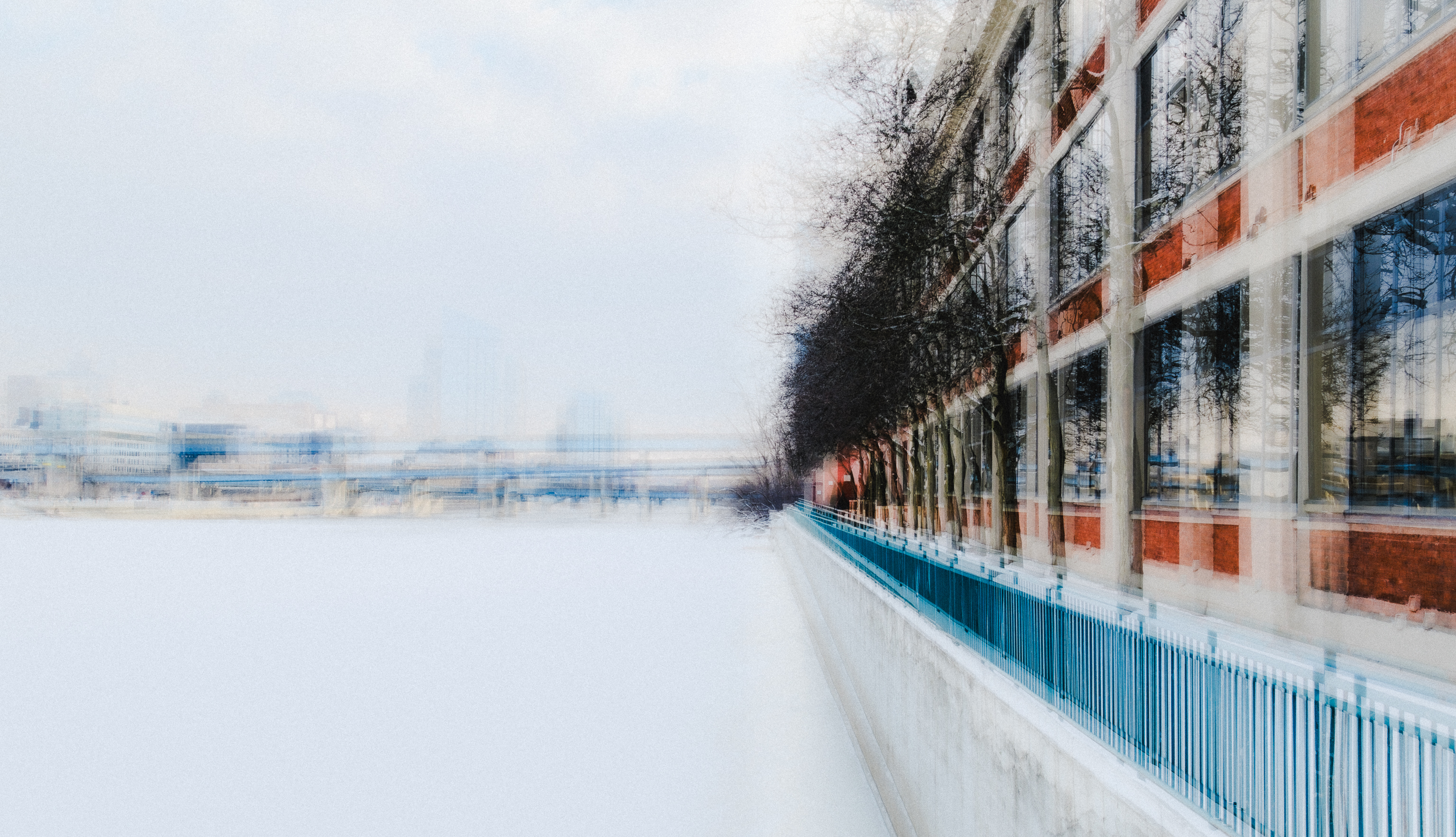
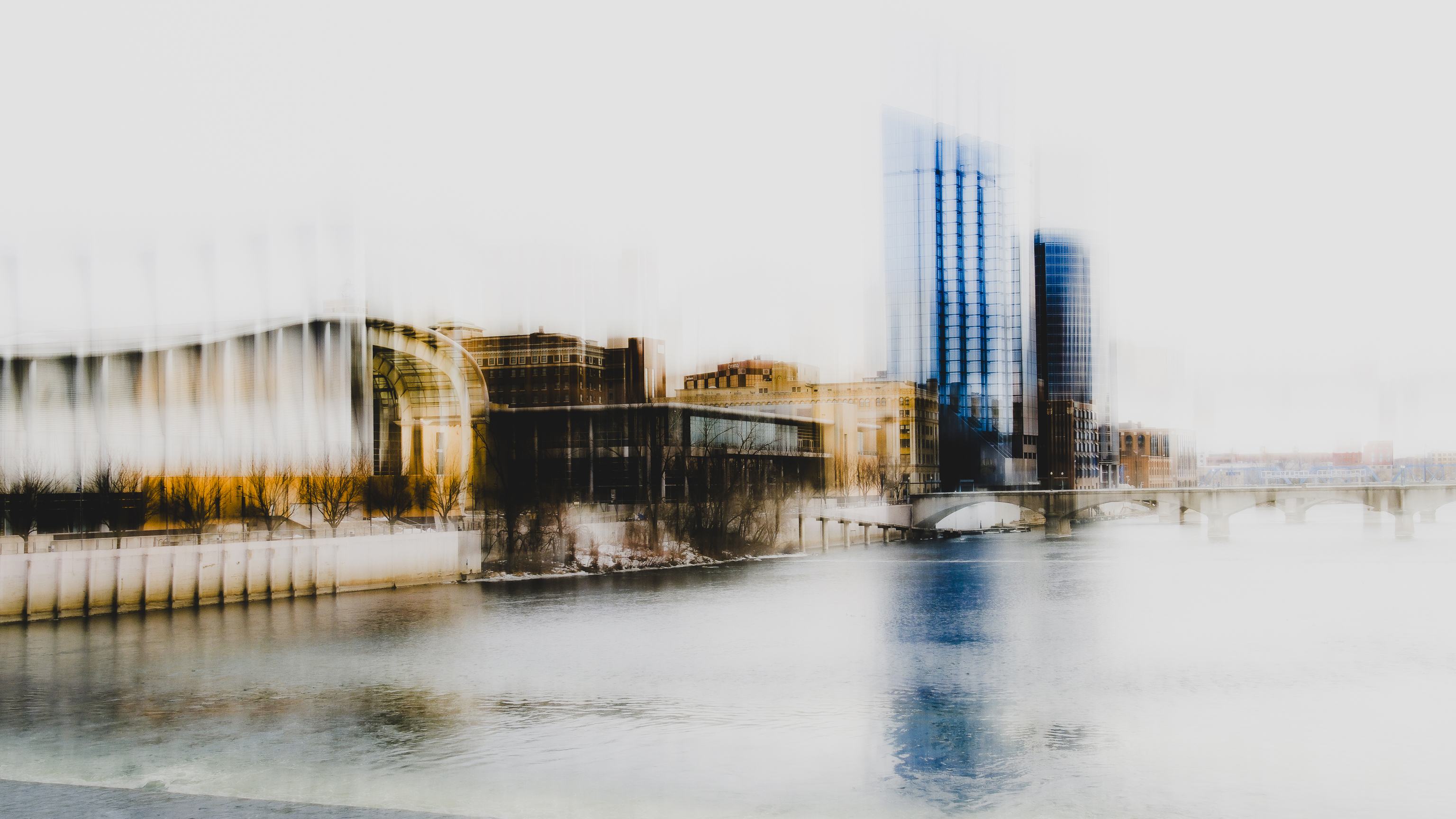
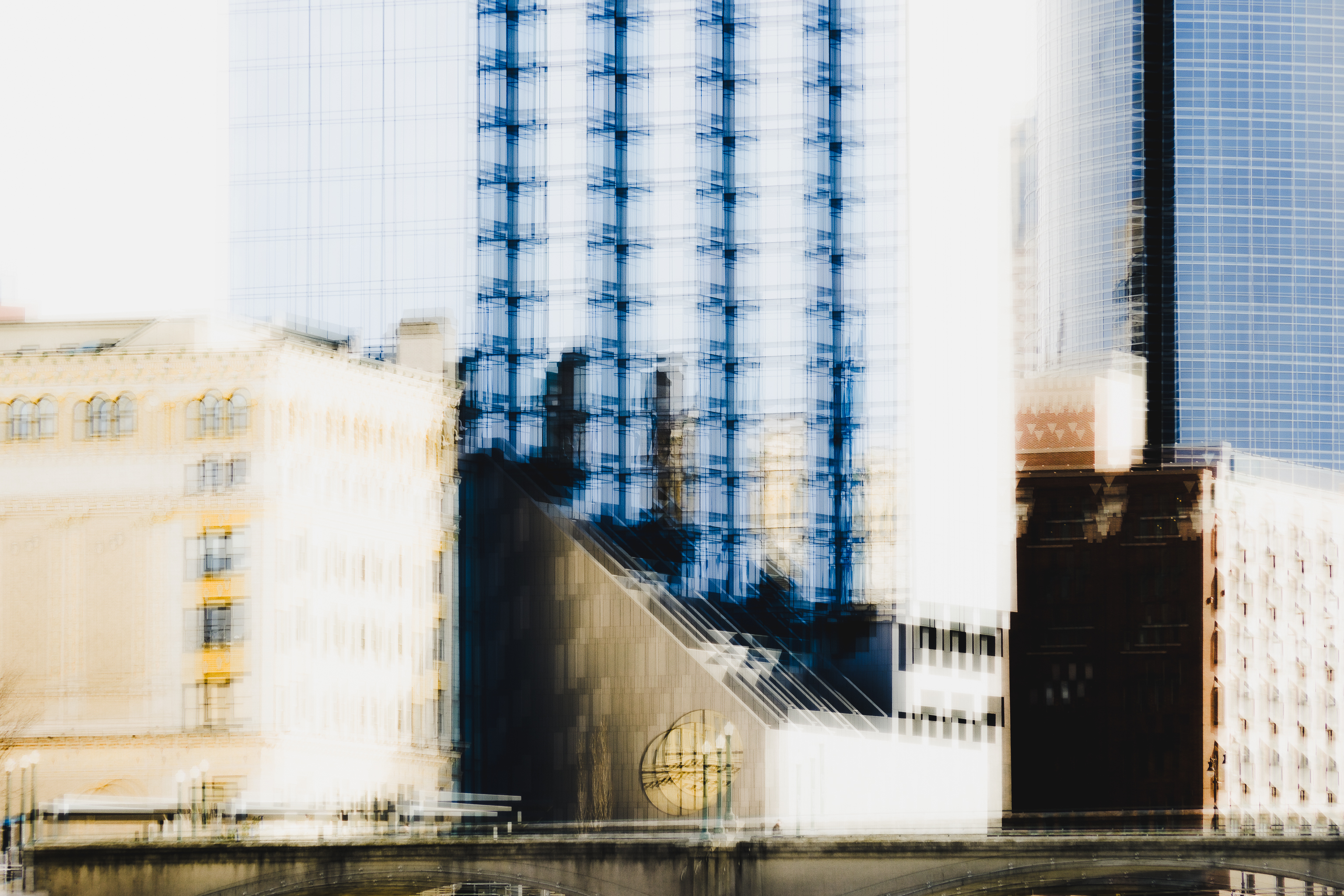
Finally, two images from the west bank of the Grand River, looking south towards the convention center, performance hall, and a couple of hotels. One is wide angle, the other telephoto. The cover image for the blogpost is also from this series.
I am enjoying doing these multiple exposure images. I know that part of the attraction for me is similar to reflections images–messing around, messing with our normal way of seeing things. I understand the theory behind this–reminding us that a photo is a two-dimensional construction, not reality itself.
Photography seems to promise to deliver reality accurately. But it is really a representation of reality, both less than reality and more. It’s own reality. These kinds of images remind us of that difference. We don’t just glimpse an aspect of material reality; we also can’t help but see the photograph and the photographer’s imagination. We are annoyed by the latter, if we don’t like photographs like this, appreciative if we do.
Plus, as I said, it’s fun to mess around and the results are cool when you get it right.

